
What Is a Pediatric Airway Concern?
A pediatric airway concern is any obstruction or restriction that limits your child’s ability to breathe normally. These issues can stem from enlarged tonsils or adenoids, a narrow palate, tongue-tie, or structural differences in the jaw and facial bones. When breathing is compromised, the effects show up across every aspect of your kid’s health, from sleep quality and behavior to facial development, focus, and growth.
What makes airway concerns tricky? Many symptoms overlap with other conditions. A kid who can’t focus in school might be labeled as having ADHD when the real culprit is disrupted sleep from airway obstruction. Kids with chronic fatigue, mood swings, or behavioral challenges often go years without anyone connecting the dots to breathing difficulties. Families tell us they had no idea their child’s behavior or sleep struggles could be tied to how they breathe.
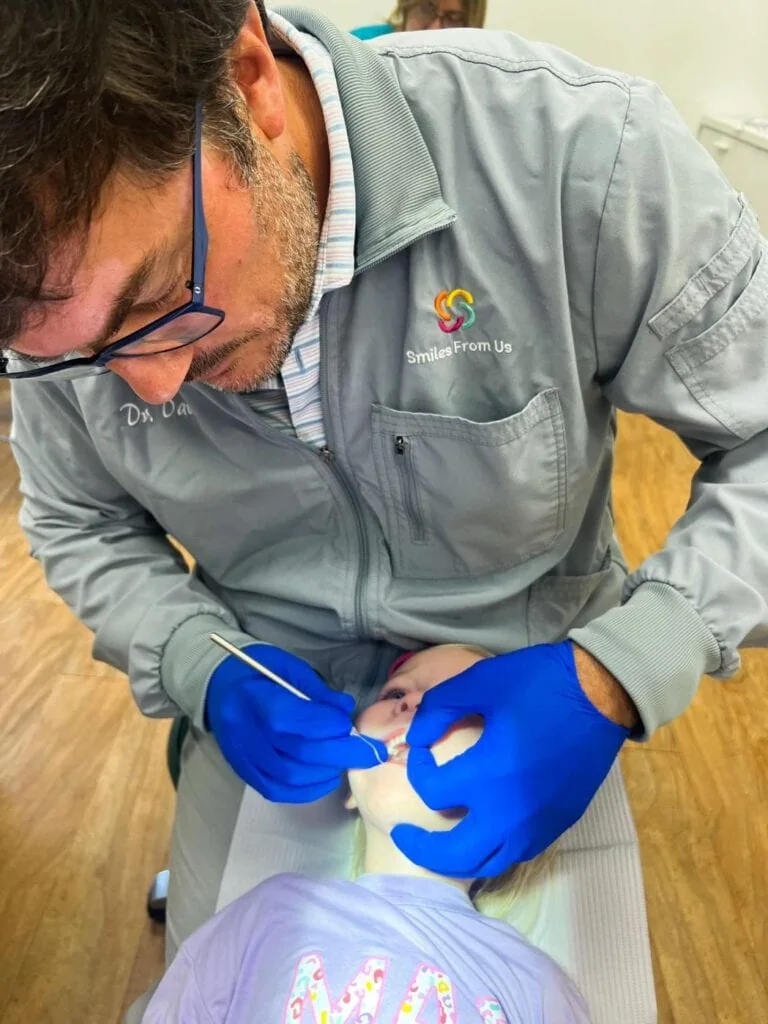
Board-certified pediatric dentists trained in airway-focused dentistry can identify these concerns early, often during a routine dental visit. And early intervention makes a real difference in how your child grows, sleeps, and functions day to day.
How Airway Concerns Develop in Children
Pediatric airway concerns develop when factors like chronic mouth breathing, enlarged tonsils, allergies, or tongue-tie alter jaw growth and narrow the airway during childhood. These changes compound over time, making early detection critical for healthy development.
Your child’s airway begins developing before birth and continues shaping throughout childhood. Jaw growth, muscle tone, and breathing habits all influence this development, and things can go sideways at multiple points.
Chronic mouth breathing is one of the biggest culprits. When kids breathe through their mouths instead of their noses, their facial structure actually changes over time. Instead of growing forward, the jaw shifts downward and backward. The palate narrows as a result. And as these changes compound, the airway gets smaller and smaller.
Several factors can trigger this cascade:
- Enlarged adenoids or tonsils that physically block the nasal passage
- Chronic allergies leading to persistent nasal congestion, which forces mouth breathing as a default
- Deviated septum or other structural differences in the nose
- Weak tongue posture, often caused by tongue-tie or underdeveloped oral muscles
The bigger concern is that untreated airway issues don’t stay static. They worsen as your child grows. A narrow palate affects how teeth come in, leading to crowding and bite concerns. Sleep disruption impacts brain development, learning, and emotional regulation.
According to the American Academy of Pediatric Dentistry, early screening by trained specialists can catch these concerns before they compound, giving your kid the best chance at healthy development. Board-certified pediatric dentists trained in airway screening look for these developmental patterns at every routine visit.
Signs Your Child May Have an Airway Concern
Common signs of pediatric airway concerns include mouth breathing, snoring, restless sleep, dark under-eye circles, crowded teeth, difficulty focusing, and bedwetting. These symptoms often mimic ADHD or allergies, which is why many kids go undiagnosed for years.
Breathing Patterns
- Mouth breathing during the day, especially while concentrating
- Mouth hanging open during sleep
- Snoring, even “light” snoring, which isn’t normal in kids
- Audible breathing or noisy sleep
Sleep Quality
Sleep is where airway concerns tend to reveal themselves most clearly. A child who tosses and turns all night, wakes up drenched in sweat, or sleeps with their head tilted way back may be unconsciously trying to open a restricted airway.
- Restless sleep with frequent position changes
- Waking up multiple times during the night
- Sweating during sleep
- Sleeping in unusual positions (head tilted back, propped on pillows)
- Bedwetting beyond age 5
Physical Appearance
Some signs are visible just by looking at your kid’s face and mouth. These physical markers develop gradually, so they’re easy to miss.
- Dark circles under the eyes (sometimes called “allergic shiners”)
- Elongated or narrow facial shape
- Crowded or crooked teeth
- High, narrow palate
- Recessed chin
Behavior and Development
This category surprises many parents. The connection between breathing and behavior is well established in pediatric research, yet it’s frequently overlooked.
- Difficulty focusing or paying attention in school
- Irritability and mood swings that seem out of proportion
- Hyperactivity that looks like ADHD
- Morning headaches or chronic fatigue despite what seems like “enough” sleep
- Slow growth or failure to thrive
- Trouble with schoolwork that doesn’t match your child’s intelligence
If your kid shows several of these signs, it’s worth having them evaluated. Not every mouth breather has an airway concern, but these patterns together paint a picture that deserves attention. Parents who bring up these observations during dental visits are often relieved to learn there’s a clear explanation for what they’ve been seeing. Pediatric dentists trained in airway screening can help connect these patterns during a routine visit.
How Are Airway Concerns Different From ADHD, Allergies, and Asthma?
Pediatric airway concerns are often misdiagnosed as ADHD, allergies, or asthma because symptoms overlap significantly. The key difference is that airway obstruction is structural and persistent, while these other conditions have distinct causes and patterns.
Here’s a quick breakdown to help you see the differences:
| Condition | Key Similarities | Key Differences |
|---|---|---|
| ADHD | Inattention, hyperactivity, impulsivity | ADHD doesn’t typically include sleep disruption, snoring, or mouth breathing. Treating the airway concern often resolves behavioral symptoms. |
| Seasonal Allergies | Nasal congestion, mouth breathing | Allergies come and go with seasons or triggers. Airway obstruction persists year-round. |
| Normal Snoring | Audible breathing during sleep | Habitual snoring is rare in kids. Sleep apnea includes pauses in breathing, gasping, and choking sounds. |
| Asthma | Breathing difficulty, nighttime symptoms | Asthma involves inflammation and bronchospasm. With airway obstruction, the physical space itself is restricted, a different mechanism entirely. |
Research consistently shows that treating the underlying airway concern often resolves what looked like attention or behavior disorders. Before accepting a behavioral diagnosis, it’s worth ruling out airway obstruction, especially if your kid snores or breathes through their mouth.
What Happens During a Pediatric Airway Evaluation?
A pediatric airway evaluation includes a thorough medical history review, examination of the mouth, throat, and facial structure, and may involve advanced imaging to measure airway volume and pinpoint where obstruction occurs.
Your child’s doctor or dentist will start by asking about sleep habits, breathing patterns, and any symptoms you’ve noticed. They’ll examine the mouth, throat, and facial structure, looking for telltale signs like enlarged tonsils, a narrow palate, or tongue-tie.
Board-certified pediatric dentists trained in airway assessment look at the whole picture:
- Medical history review, including sleep habits, breathing patterns, and behavioral observations from parents
- Physical examination of the mouth, throat, tonsils, palate shape, tongue position, and facial structure
- Advanced imaging if needed, such as CBCT (cone beam computed tomography) scans that measure actual airway volume and show exactly where obstruction occurs
- Treatment planning based on findings, tailored to your child’s specific needs
Treatment depends on what we find. Mild cases might need palatal expansion to create more room for the tongue and airway. Moderate cases could benefit from myofunctional therapy, which involves exercises that strengthen the muscles involved in breathing and swallowing. Severe cases may require surgical intervention, like removing enlarged tonsils or adenoids.
When Should You Have Your Child Evaluated for an Airway Concern?
Any kid who snores regularly or breathes through their mouth, day or night, should be evaluated. Snoring in kids is not normal, and mouth breathing is not “just a habit.”
Beyond that, consider evaluation if your child has:
- Crowded teeth or a narrow, high-arched palate
- Chronic allergies or frequent ear infections
- Difficulty focusing, behavioral challenges, or an ADHD diagnosis
- Bedwetting, restless sleep, or frequent nighttime waking
The American Association of Orthodontists recommends all kids have an orthodontic evaluation by age 7. This timing matters because it’s when our doctors can first assess how the jaw and airway are developing and step in if needed. Studies suggest that sleep-disordered breathing affects a significant number of kids, yet many cases go undiagnosed until symptoms become severe.
Seek immediate evaluation if your child:
- Gasps, chokes, or appears to stop breathing during sleep
- Has pauses in breathing followed by loud snorts or gasps
- Shows signs of oxygen deprivation (blue lips, extreme fatigue)
Trust your instincts. If something seems off about how your kid breathes or sleeps, it’s worth asking questions.
Frequently Asked Questions About Childhood Airway Concerns
Can a dentist detect airway concerns?
Yes. Dentists trained in airway assessment screen for these issues during routine visits by examining palate shape, tongue position, tonsil size, and signs of mouth breathing. Pediatric dentists are often the first to notice airway concerns because they see inside your kid’s mouth regularly and understand how oral development relates to breathing.
Do kids outgrow airway concerns?
Most do not. Untreated airway concerns typically worsen over time as facial bones continue developing around the obstruction. Early intervention produces better outcomes because we can guide growth in a healthier direction. The earlier an obstruction is identified, the more treatment options are available and the less invasive they tend to be.
What treatments are available for pediatric airway concerns?
Treatment depends on what our doctors find during the evaluation. Palatal expanders widen the upper jaw to create more airway space. Myofunctional therapy strengthens tongue and facial muscles. Orthodontic treatment can improve jaw position. For enlarged tonsils or adenoids, removal surgery is often highly effective.
Is mouth breathing really that serious?
Yes, and here’s why. Chronic mouth breathing changes how your kid’s face grows, narrows the airway, dries out oral tissues (which increases cavity risk), and disrupts sleep quality. Poor sleep then affects cognitive development, emotional regulation, and physical growth, turning what seems like a minor habit into consequences that stack up over years.
How is an airway concern different from asthma?
Airway obstruction is structural, meaning something is physically blocking or narrowing the breathing passage. Asthma is inflammatory, where the airways tighten and swell in response to triggers. Both can make breathing difficult, but they require different treatments. Some kids have both conditions, which is why proper diagnosis matters. If you’ve noticed signs that concern you, reaching out to a pediatric dentist who screens for airway concerns is a good place to start. Early evaluation gives your child the best chance at healthy breathing and development, and our doctors can help you figure out what’s going on and talk through next steps.