Frequently Asked Questions
How long is a pediatric dentistry residency?
A pediatric dentistry residency typically lasts for two to three years, depending on the program and specific requirements. During this time, dentists receive specialized training in treating children and adolescents, focusing on their unique dental needs and development.
What drug is used to sedate children in dentistry?
The drug commonly used to sedate children in dentistry is nitrous oxide, also known as laughing gas. Nitrous oxide is a safe and effective sedative agent that helps children relax during dental procedures without putting them to sleep.
Can pediatric dentistry offices treat adults?
Pediatric dentistry offices typically focus on children's dental care. While some may treat young adults, adults seeking orthodontic treatment may be referred to an orthodontist specializing in adult care. It's essential to inquire about age limitations and services offered before scheduling an appointment.
What is a rapid palatal expander in pediatric dentistry?
A rapid palatal expander is a device used in pediatric dentistry to widen the upper jaw. It is typically recommended for children to correct issues like crowding or a narrow palate by gradually expanding the upper jaw to create more space for proper alignment of teeth.
Does pediatric dentistry accept Medicaid plans like Caresource?
Pediatric dentistry often accepts Medicaid plans like Caresource, providing essential dental care for children covered under these insurance programs. It's advisable to confirm coverage with the specific pediatric dental office and the Medicaid plan to ensure eligibility and coverage details.
What procedures do pediatric dentists perform?
Pediatric dentists perform procedures such as dental cleanings, fluoride treatments, cavity fillings, dental sealants, orthodontic evaluations, and monitoring of dental development in children. They also provide guidance on oral hygiene and preventive care tailored to kids' needs.
How often should children visit a pediatric dentist?
Children should visit a pediatric dentist every six months for regular check-ups and cleanings. These visits help monitor oral health, address any issues early, and promote good dental habits. Regular dental visits are essential for children's overall oral health and development.
Are pediatric dental treatments covered by insurance?
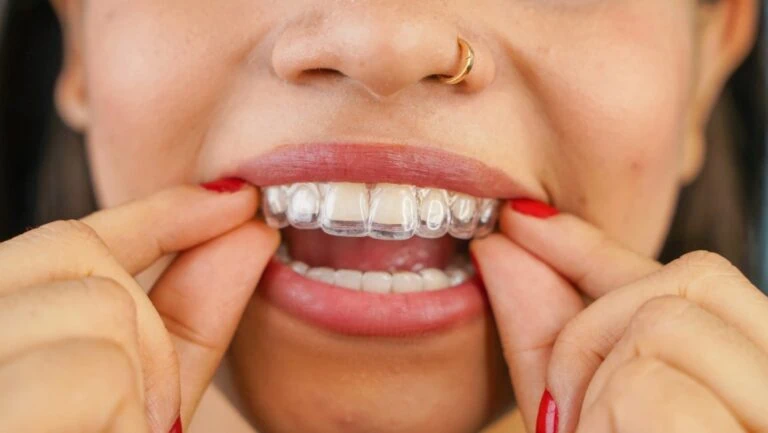
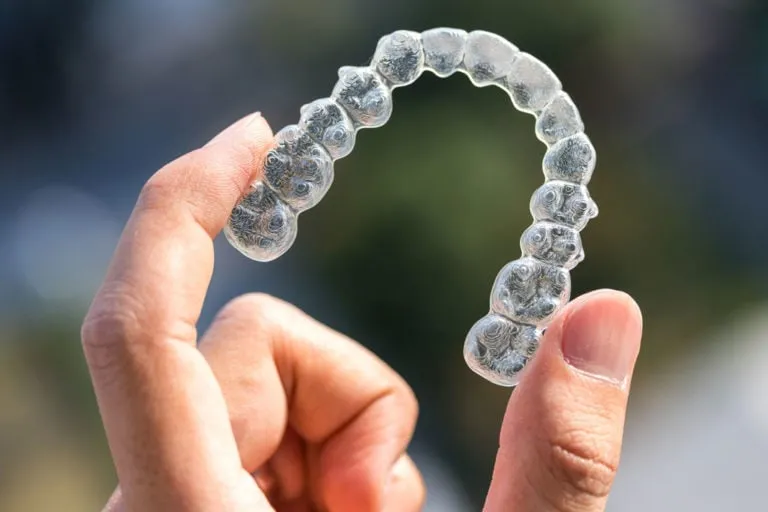
Pediatric dental treatments are often covered by insurance, including braces and orthodontic care. It's essential to check with your insurance provider to understand the specific coverage details for your child's treatment. Many plans include benefits for pediatric dental services to help manage the costs associated with orthodontic care for children.
When should a child first see a pediatric dentist?
Children should first see a pediatric dentist by the age of one or within six months after their first tooth erupts. Early dental visits help monitor oral health, establish good habits, and prevent potential issues.
Can pediatric dentists provide orthodontic evaluations?
Yes, pediatric dentists can provide orthodontic evaluations as they specialize in both orthodontics and pediatric dentistry. They are equipped to assess and recommend appropriate orthodontic treatment for children.
What sedation options are available in pediatric dentistry?
In pediatric dentistry, common sedation options include nitrous oxide (laughing gas), oral sedatives, and IV sedation. These options help children relax during procedures, ensuring a positive dental experience. Sedation is tailored to each child's needs and the complexity of the treatment.
How do pediatric dentists handle dental emergencies?
Pediatric dentists are trained to handle dental emergencies in children effectively. They can address issues like knocked-out teeth, broken braces, or severe toothaches promptly. These specialists create a calm and reassuring environment to alleviate children's fears during emergencies, ensuring proper care and treatment.
Are braces provided by pediatric dentists or orthodontists?
Braces can be provided by both pediatric dentists and orthodontists. Pediatric dentists specialize in children's dental care, including early orthodontic evaluations. Orthodontists are specialists in correcting teeth and jaw alignment for patients of all ages, including children and teens.
What special training do pediatric dentists have?
Pediatric dentists undergo additional training beyond dental school, focusing on child psychology, growth, and development. They are equipped to handle the unique oral health needs of children, including those with special needs, making them experts in providing comprehensive dental care for kids.
How can pediatric dentistry ease dental anxiety?
Pediatric dentistry can ease dental anxiety through child-friendly environments, gentle approaches, and positive reinforcement. Specialized training in working with children helps create a comfortable experience, building trust and reducing fear. Techniques like tell-show-do and distraction can also help alleviate anxiety during dental visits.
Whats the difference between pediatric and family dentistry?
Pediatric dentistry focuses solely on children's oral health, while family dentistry caters to patients of all ages, including children and adults. Pediatric dentists have specialized training in treating kids, making the experience more child-friendly. Family dentists offer comprehensive care for the whole family under one roof.
Can pediatric dentists perform tooth extractions on children?
Yes, pediatric dentists can perform tooth extractions on children if necessary. They are trained to handle a wide range of dental procedures, including extractions, in a child-friendly and safe manner to ensure the child's comfort and well-being during the process.
How does pediatric dentistry promote oral hygiene?
Pediatric dentistry promotes oral hygiene through regular check-ups, cleanings, fluoride treatments, and education on proper brushing and flossing techniques. Early detection of dental issues and preventive care help children maintain healthy teeth and gums for a lifetime.
Are dental sealants part of pediatric dental care?
Yes, dental sealants are commonly included in pediatric dental care. They are a preventive measure to protect children's teeth from decay by sealing the chewing surfaces of molars. Dental sealants are a safe and effective way to maintain oral health in kids.
Do pediatric dentists deal with baby teeth cavities?
Yes, pediatric dentists do treat baby teeth cavities. They specialize in children's dental care, including diagnosing and treating cavities in primary (baby) teeth to ensure proper oral health and development. Regular check-ups with a pediatric dentist can help prevent and address cavities in young children.
How do pediatric dentists handle children with special needs?
Pediatric dentists who specialize in treating children with special needs have the expertise to provide individualized care. They may offer a sensory-friendly environment, use behavior management techniques, and collaborate with other healthcare professionals to ensure a positive dental experience for children with special needs.
What fluoride treatments are used in pediatric dentistry?
Fluoride varnish and fluoride gel are commonly used in pediatric dentistry for fluoride treatments. These treatments help strengthen the enamel of children's teeth, making them more resistant to decay and cavities. Fluoride varnish is painted onto the teeth, while fluoride gel is applied using trays.
Do pediatric dentists offer nutritional counseling for dental health?
Pediatric dentists often provide nutritional counseling for dental health. This guidance helps children understand the importance of a balanced diet in maintaining healthy teeth and gums. By offering advice on proper nutrition, pediatric dentists support overall oral health and well-being in young patients.
How are cavities prevented in pediatric dentistry?
In pediatric dentistry, cavities are prevented through regular dental check-ups, fluoride treatments, dental sealants, proper oral hygiene education, and a balanced diet low in sugary foods and drinks. These preventive measures help maintain children's oral health and reduce the risk of cavities.
Can children receive teeth whitening in pediatric dentistry?
Teeth whitening is generally not recommended for children in pediatric dentistry due to the potential sensitivity of their developing teeth and gums. It's best to consult with a pediatric dentist for appropriate treatments for children's dental needs.
Do pediatric dental offices have child-friendly environments?
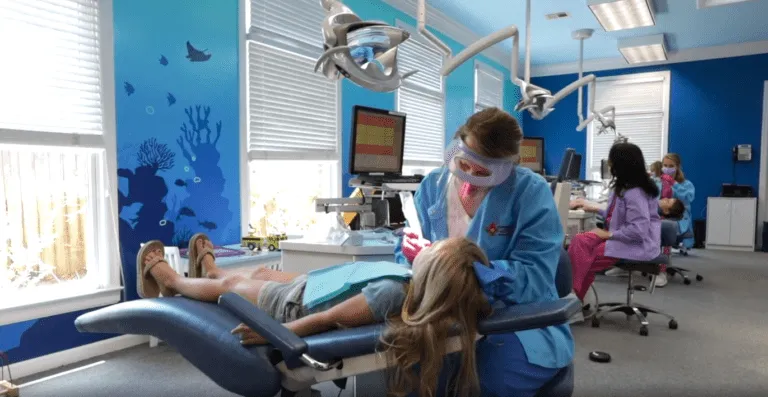
Pediatric dental offices typically have child-friendly environments designed to make children feel comfortable and at ease during their visits. These offices often feature colorful decor, toys, and friendly staff trained to work with children, creating a positive experience for young patients.
What age range does pediatric dentistry cover?
Pediatric dentistry typically covers children from infancy through adolescence, generally up to around 18 years of age. This specialized field focuses on the oral health needs of children and teenagers, providing tailored care to support their dental development and overall well-being.
How are pediatric dentists trained in child psychology?
Pediatric dentists receive specialized training in child psychology as part of their education. This training helps them understand how to communicate effectively with children, manage anxiety, and create a positive dental experience. By incorporating child psychology principles, pediatric dentists can build trust and rapport with young patients, leading to better outcomes and a lifetime of good oral health habits.
Does pediatric dentistry include oral health education?
Yes, pediatric dentistry includes oral health education as part of its focus on providing comprehensive care for children's dental needs. Dentists in this field educate children and their parents on proper oral hygiene practices, preventive care, and the importance of maintaining good oral health habits from a young age.
Can pediatric dentists detect early signs of orthodontic issues?
Pediatric dentists can detect early signs of orthodontic issues during routine check-ups. They assess jaw development, tooth alignment, and bite issues, referring to orthodontists if needed for timely intervention. Regular visits help monitor growth and address concerns early for better treatment outcomes.